Custom Blinds vs. Shades for Windows: Key Differences Explained
Are you trying to decide between custom blinds and shades for your windows? We at In Stitches Drapery are here to help you unravel this exciting choice. While both options offer unique style and functionality, understanding the key differences between custom blinds and shades can make all the difference in selecting the perfect window treatment for your space.
In this engaging article, we will explore the essential distinctions, benefits, and considerations of each option. From energy efficiency to cost and privacy, we’ve got all the insights you need. So, let’s dive into the world of custom blinds and shades to find out which one is the right fit for your home!
What Are the Main Differences Between Custom Blinds and Shades?
Choosing the right window treatments is more than just picking the prettiest design—it’s about understanding what you need in terms of function and style. So, when it comes down to custom blinds and shades, what sets them apart?
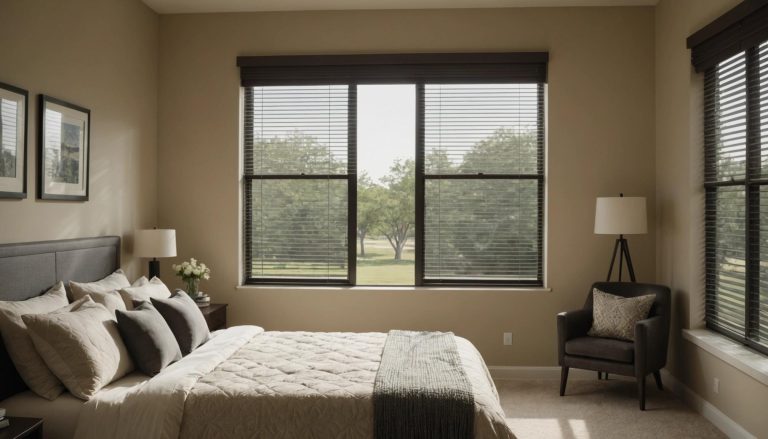
Blinds are typically crafted from materials like wood, metal, or plastic, featuring slats that can be tilted open or closed. This design offers flexibility in controlling light and privacy. Want to let the sunshine in but block it from certain angles? Blinds can do just that.
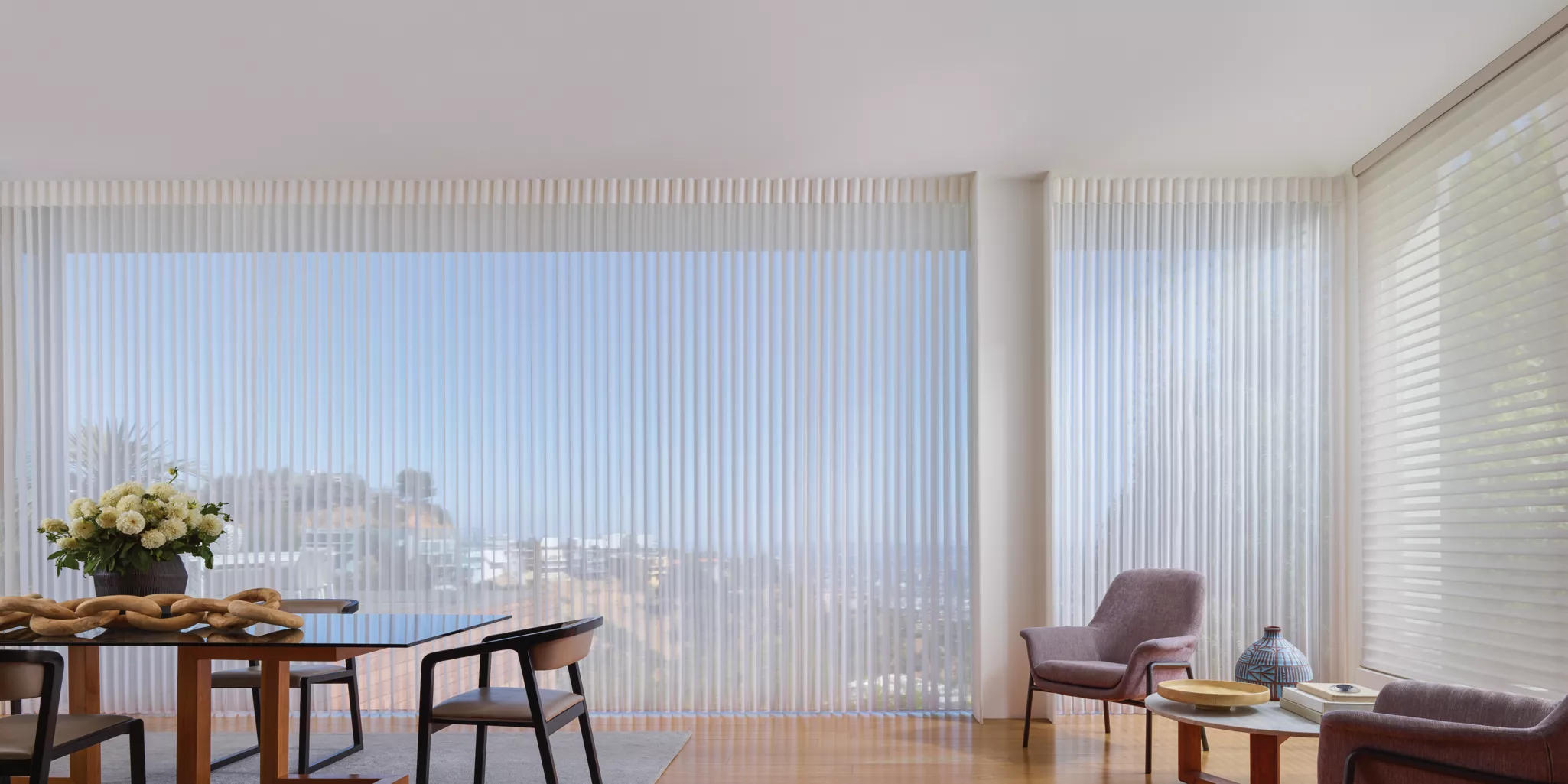
Shades, on the other hand, are made from a continuous piece of fabric or soft material. They do not have slats like blinds but instead roll or fold up and down. While they offer less precise light control than blinds, shades provide a wide spectrum of opacity options—from sheer to blackout—allowing you to choose the level of light filtration or privacy you desire. Read more about the benefits of vertical shades.
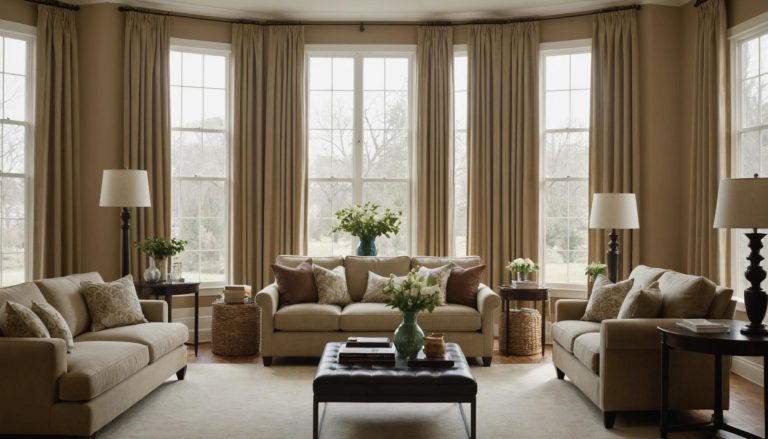
Aesthetically, shades tend to offer a softer look and are available in a myriad of colors, patterns, and textures. Blinds present a more structured appeal and are typically chosen for their simplicity and clean lines.
Ultimately, your choice between blinds and shades will boil down to functionality, style preference, and how you want them to complement your room’s decor. With the basics down, let’s dive into how to select the right option for your space.
How to Choose Between Custom Blinds and Shades for Your Room?
Choosing between custom blinds and shades can elevate any room in your home. They’re both stylish and functional but serve different purposes. Your decision should consider aesthetics, light control, privacy needs, and budget. Here’s how to make the right choice:
- Consider Light Control: Blinds offer precise control over the amount of light entering a room. Shades, on the other hand, provide softer light filtration, making them ideal for rooms where you want a more ambient glow.
- Assess Privacy Needs: If privacy is a top priority, take note that certain shades can offer complete coverage, making them perfect for bedrooms or bathrooms. Blinds might leave small gaps that compromise privacy.
- Contemplate Style and Design: Blinds come in a variety of materials, offering a sleek and modern look. Shades offer a softer, more classic appearance, with rich textures and colors to choose from.
- Evaluate Energy Efficiency: Cellular shades are great for insulation and energy savings, keeping your room cooler in summer and warmer in winter. Blinds are less effective at insulating.
- Factor in Maintenance: Blinds are generally easier to clean, often requiring just a quick dusting. Shades can be more delicate, sometimes needing special care or professional cleaning.
- Set a Budget: Custom options vary in price. Blinds might be a more economical option compared to high-end shades. Be sure to compare costs to ensure you select options that fit your budget.
Ultimately, the choice between blinds and shades may come down to personal preference and room-specific needs. Reviewing these factors can guide you to a decision that enhances your space beautifully. For more insights, explore the options available for custom blinds in Tomball, TX.
What Are the Pros and Cons of Custom Blinds and Shades?
Deciding between custom blinds and shades for your windows can be a bit overwhelming. They each have their strengths and weaknesses. Whether you prioritize style, functionality, or cost, there’s something here to consider. Let’s break it down!
Pros of Custom Blinds:
- Precise Light Control: Blinds give you more control over the amount of light entering your room—open, close, or tilt for just the right amount.
- Durability: Typically crafted from wood or metal, making them a long-lasting option for high-traffic areas.
- Easy Maintenance: Cleaning is straightforward—just dust or wipe with a cloth.
- Versatile Styling: Comes in various finishes and slat sizes to match different décor styles.
Cons of Custom Blinds:
- Limited Privacy: Even when closed, blinds might not block out visibility completely.
- Complex Installation: They can be a bit tricky to install due to their weight and design.
- Cost: Custom options can be pricier due to specific sizing and materials.
Pros of Custom Shades:
- Enhanced Privacy: Shades offer better privacy, with no gaps for prying eyes.
- Soft Aesthetic: They provide a softer look, ideal for creating a cozy and inviting atmosphere.
- Variety of Styles: Numerous fabric options and styles—roller, Roman, cellular—suit all tastes.
- Energy Efficiency: Cellular shades, in particular, help insulate and regulate temperature.
Cons of Custom Shades:
- Less Light Control: Once down, you can’t adjust the light filtering through as easily as with blinds.
- Cleaning Challenges: Fabric shades might require more frequent cleaning or professional services.
- Potential Wear: Fabric can fade or fray over time, losing its original appeal.
In the next section, we’ll explore how these window treatments can impact your home’s energy efficiency.
How Do Custom Blinds and Shades Affect Energy Efficiency?
When it comes to energy efficiency in your home, window treatments play a vital role. Custom blinds and shades can offer various advantages (or disadvantages) in this area. Understanding how they contribute can help you make informed decisions for your space.
Insulating Properties
Custom blinds and shades can significantly improve a room’s insulation. They act as barriers that help reduce heat loss in winter and keep out the scorching sun in summer. Cellular shades, for instance, are designed with pockets that trap air—adding an extra layer of insulation.
Light Control and Solar Heat Gain
The ability to control natural light is another energy-saving advantage. Blinds and shades allow you to adjust the amount of sunlight that enters a room, reducing the need for artificial lighting. This can also help manage solar heat gain, which impacts cooling costs during warmer months.
Material and Color Considerations
The material and color of your blinds or shades also affect energy efficiency. Light-colored or reflective materials can help reflect sunlight, keeping spaces cooler. Conversely, darker materials might absorb more heat—better suited for retaining warmth in colder months. For more insights on choosing the best fabrics for your window treatments, you can explore best fabrics for custom window treatments in Texas.
Automation and Smart Controls
Integrating automation with your blinds and shades enhances energy efficiency even further. Smart systems can adjust them based on time of day or temperature, optimizing comfort and energy use without manual operation.
Ultimately, the right choice of blinds or shades—coupled with thoughtful use—can lead to significant energy savings. This makes them a smart investment for creating a more comfortable and efficient home environment.
Which Offers Better Privacy: Blinds or Shades?
When it comes to privacy, blinds and shades each offer unique advantages based on their design. Blinds—usually made of horizontal or vertical slats—provide excellent control over light and visibility. You can adjust the slats to block out the view or let light in, offering a balance between privacy and natural lighting. They’re a great option for rooms that require varying degrees of visibility, like offices or bedrooms.
Shades, on the other hand, are made of a single piece of material that rolls or folds up. They tend to offer more consistent privacy when closed. This is because shades cover the entire window without gaps. If you’re looking for complete coverage—especially during nighttime or in private spaces like bathrooms or bedrooms—shades might be your go-to.
Another aspect to consider is material choice. Blackout shades provide maximum privacy and sun blockage, while lighter, sheer shades allow some light in but still keep prying eyes out. Similarly, opaque or textured blinds can help obscure views from outside.
Ultimately, the decision hinges on your specific privacy needs. Consider the room’s function, desired light levels, and personal style preferences when choosing between blinds and shades. Balancing these elements can help you achieve the right level of privacy without compromising on aesthetics or functionality.
What Are the Cost Considerations for Blinds vs. Shades?
When deciding between custom blinds or shades for your windows, cost is a major factor. The price of window treatments can vary widely depending on the style, material, and customizations you choose. Understanding these considerations can help you make an informed decision that fits your budget and meets your needs.
Here are some key points to consider regarding the cost of blinds versus shades:
- Material: Blinds are often priced based on materials like wood, faux wood, aluminum, or vinyl. Shades might incorporate fabrics, bamboo, or cellular materials, each impacting the overall cost.
- Size of Windows: Larger windows require more material, increasing the price, regardless of blinds or shades.
- Customization: Custom colors, patterns, or motorization features can elevate the price for both blinds and shades.
- Installation Costs: Professional installation might add to the total cost, but it ensures proper fitting and operation.
- Brand: Higher-end brands typically come with a higher price tag, reflecting quality and durability.
- Energy Efficiency: Investing in energy-efficient options, like cellular shades, might have a higher upfront cost but can lead to savings on energy bills.
- Maintenance Needs: Consider long-term maintenance—some materials may require special cleaning solutions or treatments, affecting overall costs.
Your choice should balance initial expenditure with long-term value in terms of durability, maintenance, and energy savings.
Conclusion
Choosing between custom blinds and shades for your windows depends largely on your aesthetic preferences, functional needs, and budget. Blinds offer precise light control and durability, while shades provide a softer look with versatile styles. Understanding the key differences can help you make an informed decision that enhances your home’s beauty and functionality. At In Stitches Drapery, we specialize in crafting custom window treatments that align with your vision and requirements.
Whether you’re in Montgomery, Magnolia, or any surrounding areas, our expert team, led by Esme Culotta, is ready to assist you with personalized service. From custom blinds and shades to drapery and upholstery, we are dedicated to bringing your home interiors to life. Contact us today at (281) 798-8315 or via institchesworkroom@gmail.com to schedule a consultation and discover how we can transform your space with our bespoke solutions.